

Why Rendang is the Heart of Indonesian Cuisine
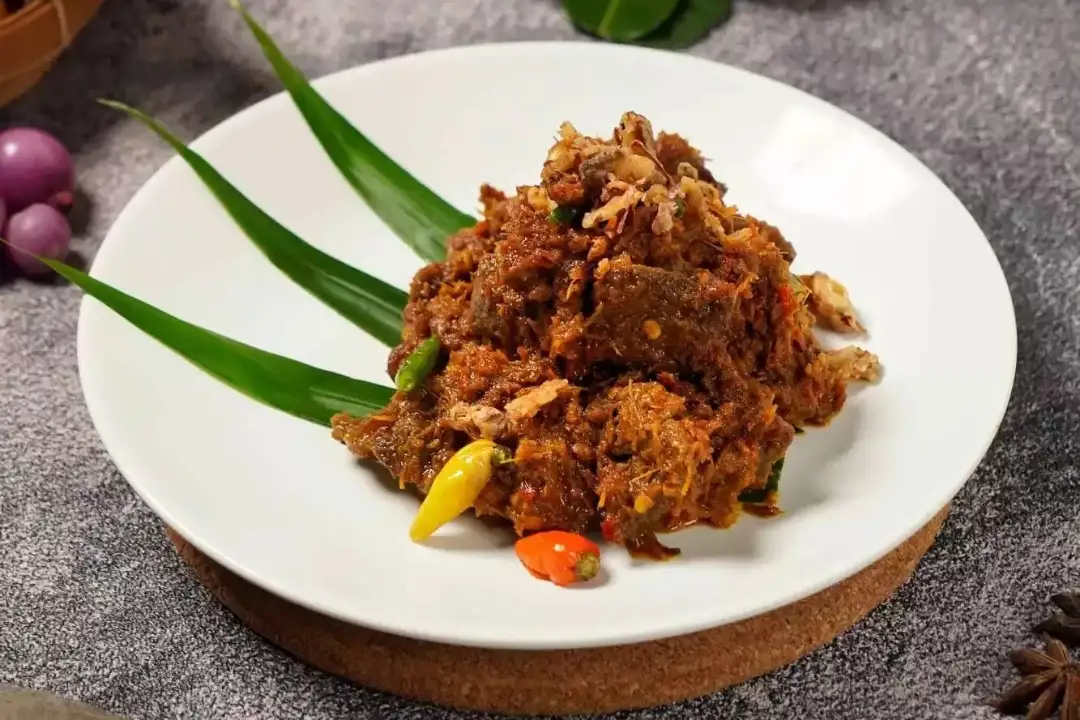
Rendang, a dish that originates from the Minangkabau people of West Sumatra, is far more than just a meal. It is a celebration of culture, a testament to tradition, and an essential part of Indonesia's rich culinary identity. Revered by Indonesians and food lovers around the world, rendang is often referred to as the "heart" of Indonesian cuisine, a title it more than deserves. In this article, we explore why rendang holds such a prestigious place in Indonesian cuisine and why it continues to win hearts globally.
The Origins of Rendang: A Story of Tradition and Culture
The history of rendang is deeply rooted in the culture of the Minangkabau people, a group native to West Sumatra, Indonesia. Traditionally, rendang was a dish reserved for special occasions such as weddings, religious ceremonies, and festive gatherings. It was made using beef, slow-cooked in a rich mixture of coconut milk and an intricate blend of spices. The Minangkabau people, known for their hospitality and love for flavorful, spiced dishes, passed down the recipe from generation to generation, ensuring its preservation in the heart of Indonesian culture.
In essence, rendang represents the soul of Indonesian cooking, combining locally sourced ingredients, traditional methods, and a deep respect for communal living. It has become a symbol of the Minangkabau culture and is often referred to as a dish that embodies the pride, hospitality, and warmth of Indonesia’s people.
What Makes Rendang So Special?
The magic of rendang lies in its unique flavor profile and the meticulous cooking process. Unlike many other dishes, rendang isn’t just thrown together; it is the result of slow-cooking, patience, and the careful layering of flavors. The key to its depth of flavor is in the long cooking process, which allows the beef to absorb all the spices and aromas.
1. The Spice Blend
Rendang's flavor begins with a combination of spices and herbs such as lemongrass, turmeric, ginger, garlic, shallots, cinnamon, and cardamom. These ingredients are blended into a paste known as bumbu, which forms the foundation of the dish. The spices used in rendang are not just for flavor—they also add aromatic complexity to the dish.
The turmeric provides a vibrant color, while the ginger and garlic add a warm, earthy undertone. The lemongrass and kaffir lime leaves give the dish a fresh, citrusy brightness, making every bite a delightful balance of savory, spicy, and aromatic flavors.
2. The Slow-Cooking Process
The slow-cooking process is essential to the development of rendang's unique flavor. The beef is simmered for several hours in coconut milk and spices, allowing the flavors to meld together. As the dish cooks, the coconut milk reduces and thickens, creating a rich, velvety sauce. The beef becomes incredibly tender, absorbing the aromatic spices and transforming into a melt-in-your-mouth experience.
This slow process is not just about enhancing the flavors but also about caramelizing the sugars in the coconut milk, which imparts a delicate sweetness to balance out the heat from the spices. The result is a dish that is deeply savory, with a perfect harmony of spice, sweetness, and richness.
3. The Beef
Traditionally, beef is the main protein used in rendang. The choice of meat is critical, as it must be hearty enough to withstand the long cooking process and absorb the flavors of the spices. The tougher cuts of beef, such as chuck or brisket, are preferred, as they become tender and flavorful after hours of simmering.
The beef in rendang takes on a fall-apart tenderness, making it the perfect vehicle for the rich coconut sauce. The slow cooking process also allows the beef to take on a deep brown color as it caramelizes in the sauce, adding to the dish's visual appeal.
Rendang in Indonesian Culture
Rendang is not just a dish; it is a symbol of hospitality in Indonesian culture. It is often prepared in large quantities and served to guests as a gesture of warmth and respect. Family gatherings, weddings, and special celebrations are incomplete without rendang on the table. The dish represents community, togetherness, and the idea of sharing food with those you love.
In Indonesian villages, households traditionally prepare rendang for special occasions, as it is a labor-intensive dish that takes hours to make. The dish's ability to feed large groups of people also makes it an important part of Indonesian culinary culture.
The communal aspect of rendang extends to its preparation as well. In Minangkabau culture, families often come together to cook this dish in large pots, each person contributing to the recipe's success. It is a meal that brings people together, not just through its flavor, but through the shared experience of making it.
Rendang’s Global Popularity
In recent years, rendang has become a global sensation. It was named the "World's Most Delicious Food" in a poll conducted by CNN Travel, placing it at the top of many food lovers' lists. Its unique combination of spices, textures, and flavors has attracted foodies from all corners of the globe, and it is now found in Indonesian restaurants worldwide, including in major cities like London, New York, and Sydney.
But what makes rendang so universally appealing? It’s the balance of flavors—richness from the coconut milk, spiciness from the chili, and aromatic complexity from the herbs—that resonates with food lovers of all backgrounds. For many, it offers a comforting and familiar taste, while still presenting something new and exciting with each bite.
Moreover, the versatility of rendang has helped it gain international recognition. It can be served as a main dish with rice or noodles, used as a filling for sandwiches or wraps, or even served as a topping for fried rice or baked potatoes. Its robust flavor makes it a favorite in fusion dishes, and rendang's popularity continues to spread globally as people seek to explore new culinary experiences.
Rendang in the Modern World: A Staple on the Menu
In the modern culinary landscape, rendang continues to evolve while maintaining its traditional roots. Chefs across the world have embraced rendang, adapting the dish to fit the tastes and dietary preferences of their diners.
At Kelapa Gading Beckenham, we stay true to the traditional Minangkabau recipe, ensuring that every bite of rendang delivers the authentic flavors that have made this dish a legend. We slow-cook our beef for hours, allowing the spices and coconut milk to blend perfectly, resulting in the rich, velvety rendang that is a favorite among our customers.
Rendang is served with steamed rice to soak up the sauce, or with fresh vegetables for a light, refreshing contrast. It’s a dish that can be enjoyed by itself or as part of a larger spread of Indonesian dishes, such as Sate Ayam, Nasi Goreng, and Ayam Balado.
Conclusion: Rendang – The Heart of Indonesian Cuisine
Rendang is a dish that tells the story of Indonesia’s history, culture, and hospitality. It’s more than just food—it’s a cultural experience that brings people together and celebrates the rich culinary traditions of Indonesia. With its deep flavors, aromatic spices, and rich history, it’s no wonder that rendang has become a favorite worldwide.
At Kelapa Gading Beckenham, we are proud to bring you this traditional dish, prepared with love and authenticity, just as it has been for centuries. Whether you're a first-time diner or a seasoned fan of Indonesian cuisine, a plate of rendang will offer you a taste of Indonesia’s heart and soul.